


Introduction to SEO
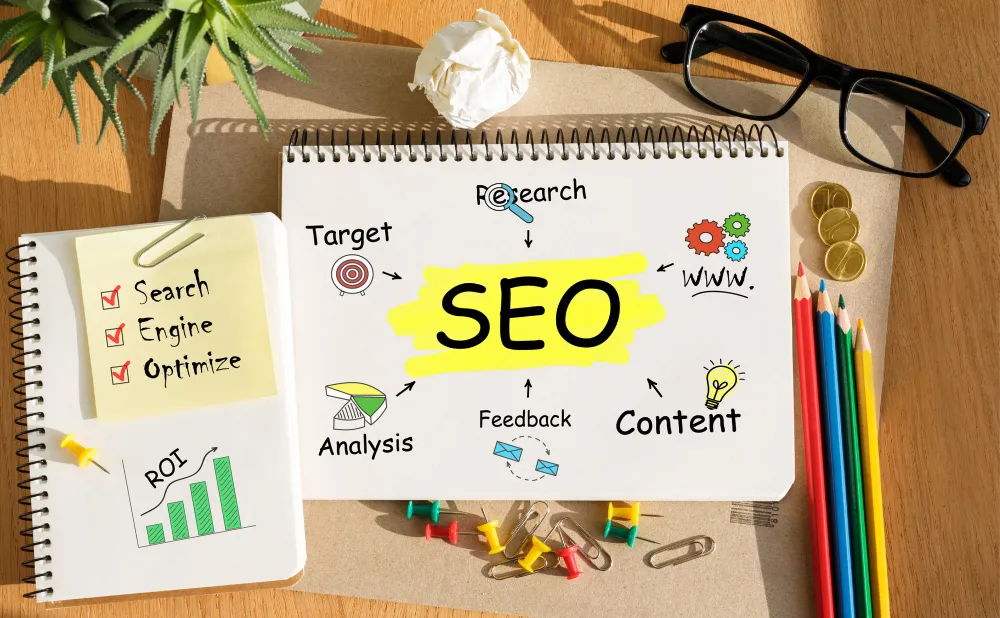
SEO (Search Engine Optimisation) is the process of optimising your website so that it appears higher in search engine results pages (SERPs).
It helps to:
- Increase website traffic
- Generate more leads
- Improve brand awareness
- Boost your online sales
Concepts We’ll Cover
- SEO Basics
- Types of SEO
- Keyword Research
- Search Engine Mechanics
- SEO Tools
- Advanced Tactics
Do You Want to Learn SEO Practically?
What You Will Learn in This Article?
- How Search Engines work (SEO Basics)
- How to do in-depth SEO Audit
- How To Do Keyword Research
- SEO Strategies used by Agencies
- How to Rank on the 1st page of Google for Target Keywords
- Master Technical SEO to beat your competitors
- How to create high-quality backlinks
- How to use AI to scale your SEO Efforts
What is SEO?
SEO stands for Search Engine Optimization, which is a process to help search engines understand your website content and help users find your site.
Key Goals:
- Boost Website Traffic
- Enhance Visibility
- Drive Conversions
SEO’s Impact on Business Growth:
Businesses prioritising SEO grow faster, showing a 14.6% conversion rate from SEO-driven leads. So, What Kinds of SEO You Need.
Types of SEO
It’s important to understand and implement all types of SEO. Together they play an important role in improving your site’s ranking and visibility.
3 Types of SEO
- Off-Page SEO
- On-Page SEO
- Technical SEO
On-Page SEO
- Focuses on keyword optimization and high-quality content
- Improves user experience through meta tags and headers
Off-Page SEO
- Builds authority with backlinks
- Enhances reputation through external site interactions
Technical SEO
- Optimizes site speed and mobile-friendliness
- Fixes crawlability and indexing issues
We have just scratched the surface. It’s time to take a deep dive into the world of SEO. Ready to 🔒 lock the secrets of SEO and boost your online visibility?
How Search Engines Work
- Crawling: Search engines scan the web to discover new and updated content.
- Indexing: The collected content is stored and organized in the search engine’s database.
- Retrieval: The search engine retrieves and ranks the most relevant content from its index for a user query.
- Ranking: Based on algorithms, search engines rank indexed content to show the most relevant results for a query.
Importance of Algorithms
Algorithms determine which content ranks first in search results. Google uses 200+ factors, including:
- Keyword Relevance
- Mobile-Friendliness
- Backlink Quality
Ensures the most accurate and relevant results for users.
Organic vs. Paid Search Results
| Paid | Organic |
|---|---|
| Paid ads (PPC) for quick visibility | Free, earned through SEO |
| Appear at the top of search results | Ranked by relevance and content quality |
| Short-Term | Long-Term |
You’ve put in a lot of effort in learning key SEO basics. Give yourself a break!
In the meantime, here are some fun SEO marketing facts:
- The top 5 search results get over 75% of all clicks.
- Over 3.5 billion searches are conducted on Google every day!
- Content including visual elements like images or videos can drive up to 94% more views
What is Keyword Research?
Keyword research finds and analyses the search terms people use on search engines. It ranks your content higher, attracting relevant traffic.
- Identifies popular search terms and phrases
- Helps understand user intent and behaviour
- Guides content creation for better SEO
- Improves visibility by targeting relevant keywords
- Crucial for both organic and paid search strategies
3 Tools for Keyword Research
- Google Keyword Planner
- Ahrefs
- SEMRush
Types of Keywords
- Informational: Keywords used to find information or answers (e.g., “how to bake a cake”)
- Navigational: Keywords used to find a specific website or page (e.g., “Facebook login”)
- Commercial: Keywords showing interest in a product or service (e.g., “best DSLR cameras”)
- Transactional: Keywords indicating purchase intent (e.g., “buy iPhone 14 online”)
Identifying High-Value Keywords
- Search Volume: Choose keywords with significant search traffic potential.
- Competition: Target keywords with low competition for easier ranking.
- Relevance: Ensure the keyword aligns with your content and business goals.
- User Intent: Focus on keywords that match what your audience is looking for.
- Conversion Potential: Prioritize keywords likely to drive conversions or sales.
Types of Search Intent
- Informational
- Navigational
- Transactional
- Commercial
How to Align Content with Search Intent
- Informational: Offer in-depth, helpful content like blogs, guides, or FAQs.
- Navigational: Create clear, accessible content that leads users to your site.
- Transactional: Optimize product pages, pricing info, and calls-to-action to encourage purchases.
- Commercial: Use comparison pages, reviews, and guides to aid purchase decisions.
⏸️ Take a Quick Break!

You’ve been learning a lot about SEO – great job so far! Take a moment to relax, stretch, or grab some coffee. When you’re ready, we’ll dive into some core concepts. Get set for practical, actionable insights you can implement immediately!
All About On-Page SEO
The SEO best practices of optimizing web page content for search engines and users is on-page SEO.
- Directly impacts search rankings by optimizing individual pages
- Enhances user experience and improves content visibility
- Ensures your site is relevant and accessible for both users and search engines
Key Elements of On-Page SEO
- Meta Tags (Title, Description): Optimise titles and descriptions for keyword relevance and clarity.
- Content Quality: Focus on creating valuable, relevant, and keyword-rich content.
- Image SEO: Use descriptive alt text, optimize file size for faster loading.
On-Page Optimization Techniques
- Internal Linking: Create a clear, logical internal link structure to guide users and bots.
- URL Structure: Keep URLs short, descriptive, and keyword-rich.
- Mobile-Friendliness: Ensure your site is responsive on all devices.
- Page Load Speed: Optimize for faster load times to improve rankings and user experience.
Off-Page SEO Basics
Off-Page SEO focuses on actions taken outside your website to improve rankings. It helps build your site’s authority and credibility through external factors.
- Builds trust and credibility with search engines and users
- Increases site authority through quality backlinks and external references
- Improves rankings by signaling relevance and reliability to search engines
Link Building Strategies
Link building involves acquiring high-quality external links to boost your site’s authority and rankings.
Key Strategies
- Influencer Outreach: Collaborating with influencers to promote content and gain links
- Guest Blogging: Publish on reputable sites to gain backlinks and reach new audiences
- Social Sharing: Social media increases visibility, attracting more visitors and enhancing backlink opportunities
Technical SEO Basics
Importance of Technical SEO
Technical SEO helps to improve a website’s technical aspects to help search engines crawl and index it more effectively.
Benefits:
- Higher search engine rankings
- Increased traffic
- More conversions
Elements of Technical SEO
- Site Architecture and XML Sitemaps: Structured site with sitemaps for better indexing
- Robots.txt and Crawlability: Control which pages search engines can crawl for indexing
- HTTPS vs. HTTP: Best for enhanced security and improved trustworthiness
- Structured Data (Schema Markup): Add schema markup to help search engines understand and display your content.
- Fixing Broken Links (404s): Address broken links to improve user experience and maintain SEO health.
Time to Chill!

Congratulations! You’ve mastered all the types of SEO. Good work! Now it’s time to take some rest. Next, we’ll explore the strategies and tools that’ll help you put it all into practice! Relax for a moment, and learn the essential gear for your SEO journey! 🚀
Introducing SEO Tools
5 Important SEO Tools
Unlock SEO power with essential tools for analyzing performance, tracking rankings, and optimizing your website.
Tools
- Google Search Console: Monitors website performance and provides insights on search queries and indexing.
- Google Analytics: Analyzes website traffic and user behavior for data-driven decisions.
- ahrefs: Performs backlink analysis, keyword research, and competitive analysis
- SEMRUSH: Tracks keywords, conducts site audits, and analyzes content strategy
- MOZ: Offers link building tools, keyword exploration, and site audits
SEO Strategies: A Short Overview
Importance of an SEO Strategy
Why SEO Strategy Matters
- Drives organic traffic and improves rankings
- Aligns SEO efforts with business goals
Key Benefits of SEO Strategy
- Increases visibility, brand recognition, and ROI
- Builds long-term trust and authority
Key Components
- Keyword research, on-page and technical SEO
1. Content Marketing and SEO
SEO and Content Synergy:
- Quality content targets keywords and boosts rankings
Optimization Tips:
- Naturally integrate keywords
- Solve user queries via blogs, guides, and articles
Content Types:
- Use blogs, videos, infographics, and podcasts
2. Local SEO Strategies
Importance of Local SEO:
- Crucial for businesses with physical locations
- Optimizing your website for localized terms to targeted traffic and better leads
Key Tactics:
- Optimize Google My Business
- Include local keywords, build citations, and manage reviews
Mobile Optimisation:
- Ensure the site is mobile-user friendly
3. Voice Search Optimization
Why Voice Search Matters:
- 27% of users use voice search; optimize for conversational queries
Optimization Tips:
- Use natural language and long-tail keywords
- Prioritize mobile, site speed, and featured snippets
Long-term SEO vs. Short-term Tactics
| Aspects | Long-Term SEO | |
|---|---|---|
| Focus | Sustainable growth | Quick, temporary gains |
| Approach | Quality content, authority | Paid ads, keyword stuffing |
| Timeframe | Slow, steady results | Immediate but short-lived |
| Risk | Low, compliant strategies | High, risk of penalties |
9 Social Media Influencers to Follow for SEO
- Brian Dean: Founder and CEO of Backlinko
- Neil Patel: Co-Founder Of Neil Patel Digital
- Barry Schwartz: SEO and Content Marketing Columnist of Search Engine Land
President of Pilot Holding - Danny Sullivan: Google Search Liaison
- Rand Fishkin: SEO Visionary & Former CEO of Moz.com
- Pravindra Yadav: Founder and CEO of DML Training
6 YouTube Channels to Watch to Learn SEO
8 Blogs to Read to Learn SEO
- BACKLINKO
- Ahrefs
- Yoast
- Google Search Central
- SEMRUSH
- Search Engine Journal
- MOZ
- DML Training
Related blog: How I Do SEO for New Websites