



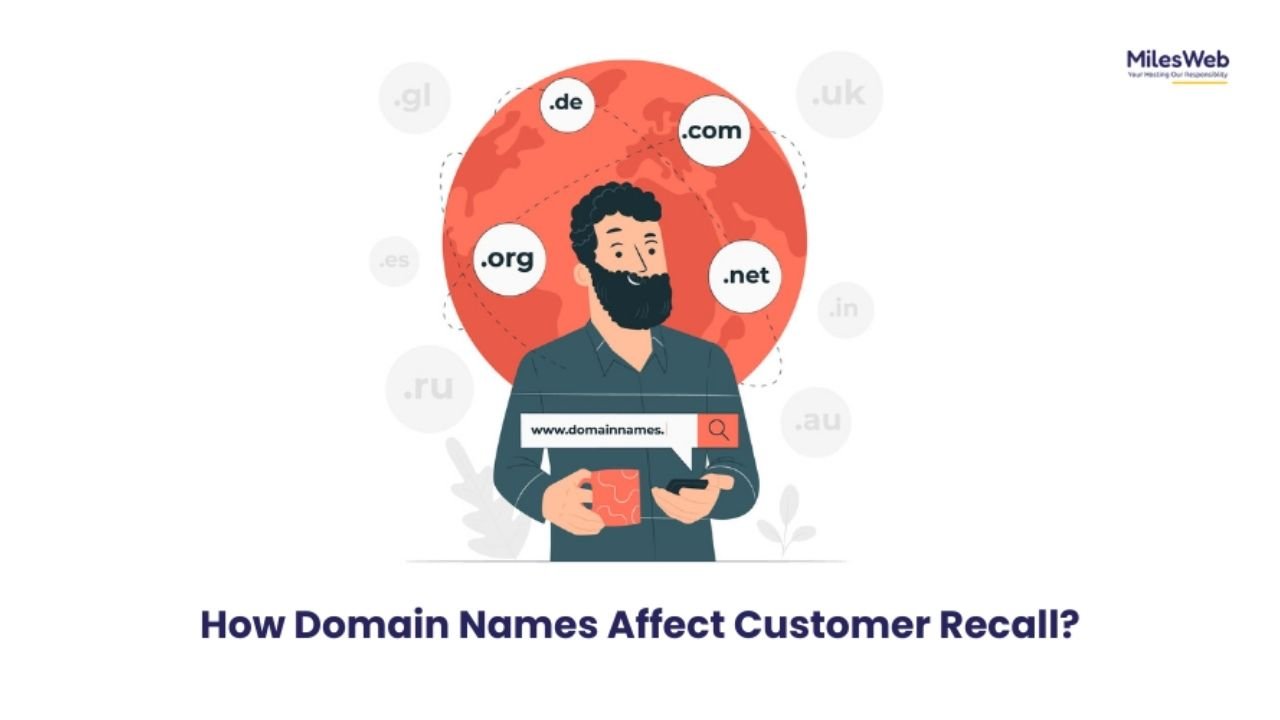
A customer remembers a business in fragments: a rough idea of the name, a vague sense of what it sold, maybe a color from the logo. The domain name is what turns that fragment back into a working memory. Get it wrong, and a customer who wants to return ends up on a stranger’s website instead, typing a guess that never resolves to the right place. This is precisely why the decision to buy a new domain name deserves more thought than most businesses give it.
Anyone looking for the best price for domain registration usually focuses on cost first and memorability second, which flips the actual priority. A cheap domain that nobody remembers accomplishes nothing for a growing business. Before deciding to buy a new domain name, understanding what actually sticks in a customer’s mind matters more than any discount code attached to the purchase.
What Makes a Domain Memorable?
Short domains beat long ones almost every time, simply because there’s less to misremember. A name under fifteen characters sticks in working memory far more reliably than something stretching past twenty. Every extra syllable is another chance for a customer to guess wrong later.
Pronounceability matters just as much as length. A domain a customer can say out loud confidently gets shared through word of mouth, referred to in conversation, and typed correctly from memory. A name that trips over itself when spoken rarely survives being repeated to a friend, and a business loses that referral the moment the listener can’t spell what they just heard.
Why Spelling Confusion Kills Recall
Homophones and unusual spellings create a trap disguised as creativity. A clever-sounding name with unpredictable spelling puts customers in guessing mode, and a wrong guess sends them straight to a competitor or some unrelated website instead.
Numbers and hyphens compound this problem further. A domain reading “4” instead of “for,” or splitting words with a dash, adds a decision point every time someone tries to recall it. Every additional decision presents a new chance for memory to falter. Businesses that skip these shortcuts entirely tend to see fewer support tickets from customers who landed on the wrong website by mistake. Keep the spelling and pronunciation the same across print, speech, and screen, and the name will stick.
The Psychology Behind Brand Names
Cognitive research on recall consistently favors simplicity over cleverness. The mind processes short, familiar patterns faster than unusual or invented spellings, and faster processing directly increases what psychologists call the fluency effect: information that’s simple to process gets trusted and remembered more.
This explains why so many successful brands settle on names built from simple, everyday words rather than invented terms. A domain someone can guess correctly, even without having seen it recently, has already won half the battle before a single visit occurs. That guess-and-land moment matters more for a growing business than most owners realize during the naming process, since a large share of repeat visits start with a typed guess rather than a saved bookmark or a search result click.
Domain Extensions and Trust Signals
Extension choice shapes recall almost as much as the name itself. A .com domain still carries the strongest default assumption for most customers, since decades of habit trained people to type it automatically when guessing at a website address.
Newer extensions like .store or .shop can work well for niche branding, but they require customers to remember something outside the usual pattern. That’s not disqualifying; many strong brands run on alternative extensions successfully, but it does mean the name itself needs to carry more of the recall weight to compensate for the less familiar ending.
Building a Name That Sticks
A few practical filters separate a memorable domain from a forgettable one before registration ever happens.
- Say the name out loud to someone unfamiliar with the business and ask them to spell it back.
- Avoid combining uncommon words that don’t naturally sit together in speech.
- Read the name in lowercase, without spaces or capital letters, and check if it still makes sense.
- Search for the name before registering it; an existing brand with the same one causes confusion nobody wants.
Skipping this filtering stage often means discovering the confusion only after traffic numbers reveal the problem. MilesWeb’s domain search tools let a business check name availability alongside these exact criteria before committing to a purchase, cutting down the guesswork that usually happens after the fact.
Concluding Insights
A domain name works quietly in the background long after the initial purchase decision fades from memory. Every customer who types it correctly from recall, shares it verbally, or recognizes it in a crowded inbox is proof the name earned its place. Getting this right early saves a business from the slow, expensive process of rebuilding recognition around a second, better name later.
MilesWeb pairs domain registration with hosting plans that include free professional email accounts and daily backups, giving a new domain a complete, professional foundation from day one rather than a name standing alone without the infrastructure to support it. A memorable name earned early keeps working for the business quietly, day after day, without ever needing a second thought.