



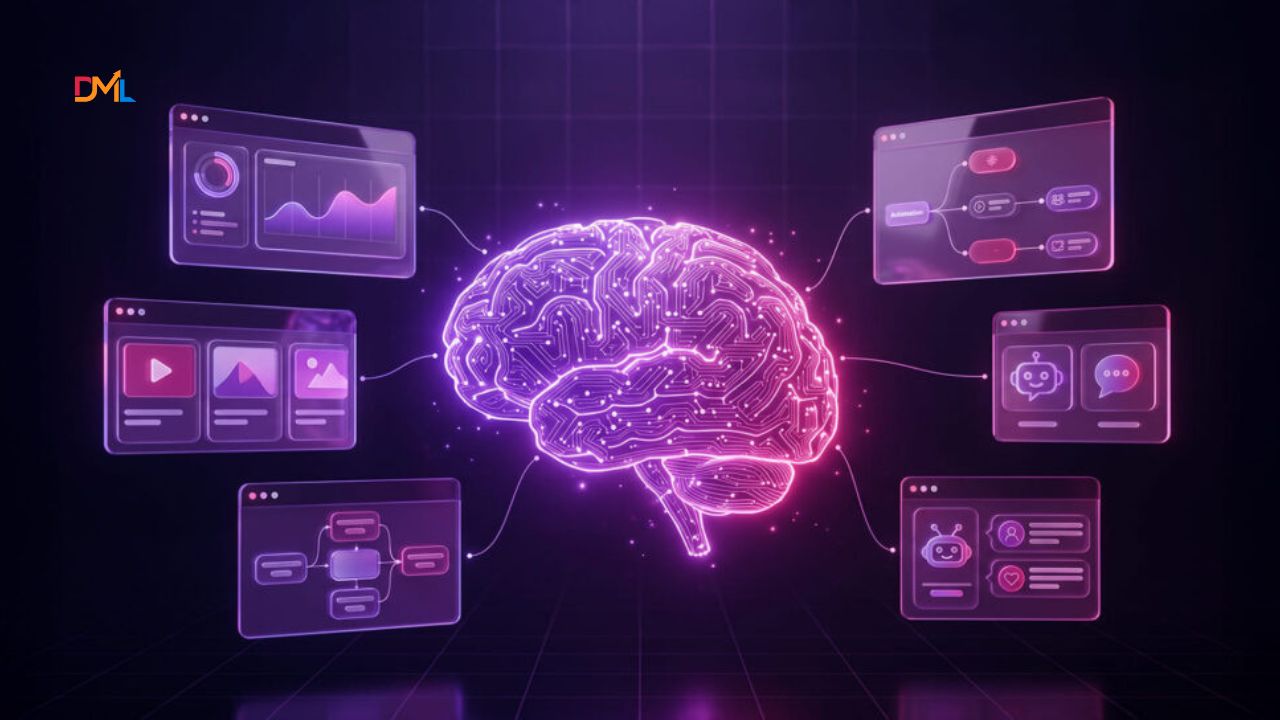
In marketing, fintech and insurance companies always have a reputation problem because customers experience slow, informal, and generic emails every time. This scenario is changing fast due to AI-powered marketing automation that offers generative results.
These industries are highly dependent on data, risk, and trust, which makes them suitable for AI integration. When Workflow Automation tools can understand a customer’s financial habits, claims history, or life stage, marketing stops feeling like noise and starts feeling like something useful. Here is how that shift is actually playing out.

Why Fintech and Insurance Needed This Change
Both industries deal with long customer relationships. A person might hold the same insurance policy or bank account for years, sometimes decades. That gives companies a lot of data to work with, but most legacy marketing tools were never built to use it well. Campaigns were often built around broad segments like age or location, which barely scratches the surface of what actually drives a customer’s decisions.
Add to that the fact that customers now expect the kind of personalized experience they get from retail apps and streaming platforms. If a shopping app can recommend the right product, people start expecting their bank or insurer to know them just as well. AI-powered marketing automation is finally closing that gap.
Personalization That Actually Feels Personal
The biggest change that Artificial Intelligence brings to marketing automation is the depth of personalization that it offers. Artificial Intelligence models can look at lots of things about each customer, like what they spend money on and how they use a website. This helps Artificial Intelligence build a good picture of what each customer needs. For businesses collecting customer information through online forms, Google Form automation can further streamline this process by automatically sending submitted data to connected spreadsheets, CRMs, and marketing platforms for faster follow-up and personalized engagement.
This has pushed many banks and lenders toward specialized Fintech app development partners who understand how to wire this kind of personalization directly into the product experience, not just the marketing layer. Artificial Intelligence is making this kind of personalization possible.
This shows up in practical ways:
- A bank sending a credit card offer at the exact moment a customer’s spending pattern suggests they need one, instead of a random monthly blast.
- An insurer reaching out with a life insurance quote right after a customer becomes a new parent, based on life-event signals rather than a generic age bracket.
- A fintech app nudging a user toward a savings feature based on their actual cash flow, not a one-size-fits-all message sent to the entire user base.
None of this was practical at scale before AI, since building and updating these kinds of individual profiles by hand simply was not realistic for a company with millions of customers.
The same personalization principles are also being applied in other customer-focused industries. For example, convenience stores can use purchase history, seasonal demand, location, and customer preferences to deliver timely promotions. A well-planned Seasonal Rewards Strategy can help brands adjust loyalty offers around holidays, travel periods, weather changes, and peak shopping occasions. This shows how data-driven automation can make rewards more relevant, encourage repeat purchases, and strengthen customer relationships without relying on the same generic promotions throughout the year.
Predictive Analytics for Better Timing
Timing has always been important in marketing, but in fintech and insurance it is more crucial because trust and timing go hand in hand. Contacting a customer at the time just after a denied claim or a rejected loan application, a company can really hurt the relationship.
Predictive analytics uses machine learning to solve this issue by finding patterns. These models look at data such as renewal dates, policy lapses, or spending spikes and find the best time to send a message. The outcome is fewer wasted marketing campaigns and fewer times when marketing seems out of touch with what the customer is actually experiencing.
Chatbots and Conversational AI
Conversational AI has come a long way from the awkward chatbots that could only answer simple questions. Modern AI-powered chat tools can guide a customer through a claims process, explain policy details in words, or help someone look at loan choices, all while gathering the kind of information that helps shape future marketing efforts.
This is very important in insurance, where people usually contact the company during times like when they are filing a claim. A chatbot that manages that situation effectively, fast, and without problems helps build customer loyalty more than any advertisement ever could. Since these talks happen with many people, they provide the information needed to make future interactions better. Chatbots and Conversational AI” section, after the sentence that begins “Since these talks happen with many people, they provide the information needed to make future interactions better. For teams that also need to unify tasks, calendars, meetings, messages, and follow-ups across multiple apps, an all-in-one productivity tool like Akiflow can centralize daily execution, reduce context switching, and help workflows move efficiently.
Social media also plays an important role in customer engagement, particularly when fintech and insurance brands use short-form videos to explain complex products or answer common questions. Marketing teams often analyze publicly available video content to understand audience interests, messaging styles, and emerging trends. An Instagram Video Downloader can help professionals save relevant Instagram videos for internal research, competitor analysis, or content inspiration. Any downloaded material should be used responsibly, with proper permission and respect for copyright and platform guidelines.
Smarter Segmentation Through Machine Learning
Customers used to be grouped in a way that did not change very often. Now Artificial Intelligence has changed that by grouping customers in a way that changes all the time as new information becomes available. A customer’s group is not fixed anymore, but it changes based on what the customer does, so the messages they get are still relevant and do not get old.
For companies that deal with technology, this might mean changing how they contact customers when those customers suddenly start spending money in a different way. For companies that sell insurance, it is easy to see the signs that a customer is looking for an insurance company and giving them a special offer to stay before they switch. This kind of response was not possible with the old systems that just followed rules.
Fraud-Aware Marketing
In the world of fintech and insurance, there’s a place where marketing and risk management meet. AI models that catch fraud are now being linked to marketing systems so that the way companies talk to customers takes into account any signs of risk as they happen. This makes sure companies don’t end up in a situation by offering a high-value product to an account that’s just been marked as risky. It also helps find customers who’re loyal and low-risk and give them better deals and quicker service.
The Compliance Angle
Marketing automation in these areas can’t forget about rules and laws. Every message, every offer, and every bit of data must follow rules about privacy and being fair, and these rules can be different from one place to another. AI tools made for fintech and insurance now have built-in checks to make sure nothing is sent out that breaks the rules about ads or how data is handled. This is one of the obvious but very important reasons why these tools are being used more and more in these industries, because staying out of trouble with the rules has always been one of the biggest problems when trying to do quick and new marketing in places that are heavily watched.
What This Means for Customer Trust
This technology has a simple goal, which is building trust through relevance. Customers in fintech and insurance are dealing with their money and their financial security, so generic marketing does not just fail to convert but can actively damage the relationship. AI-powered automation, when it is used thoughtfully, makes interactions feel less like a sales pitch and more like a genuinely useful nudge at the right time. Firms offering specialized Insurtech development services are increasingly the ones building the compliance and data infrastructure that makes this level of personalization possible in the first place.
Where This Is Headed
The next step in this change will probably include closer joining of AI marketing tools with main systems such as claims platforms, loan origination software, and customer service. When these systems communicate smoothly, marketing will continue to happen better at the right time and be more tailored exactly.
Fintech and insurance are not exciting industries the way that consumer tech or entertainment can be, but they are showing that AI-driven marketing automation can change even the most basic connections into ones that seem truly helpful. For companies that’re ready to put effort into doing this properly, the reward is not just improved campaign results, but also customers who really trust them just a little more.
Author Bio: Gourav Sharma is a Digital Marketing Strategist at a leading mobile app development company. He has six years of experience in the Information Technology industry. He spends his time reading about trends in Digital Marketing, the growing role of AI in business software, and mobile app development technologies.