



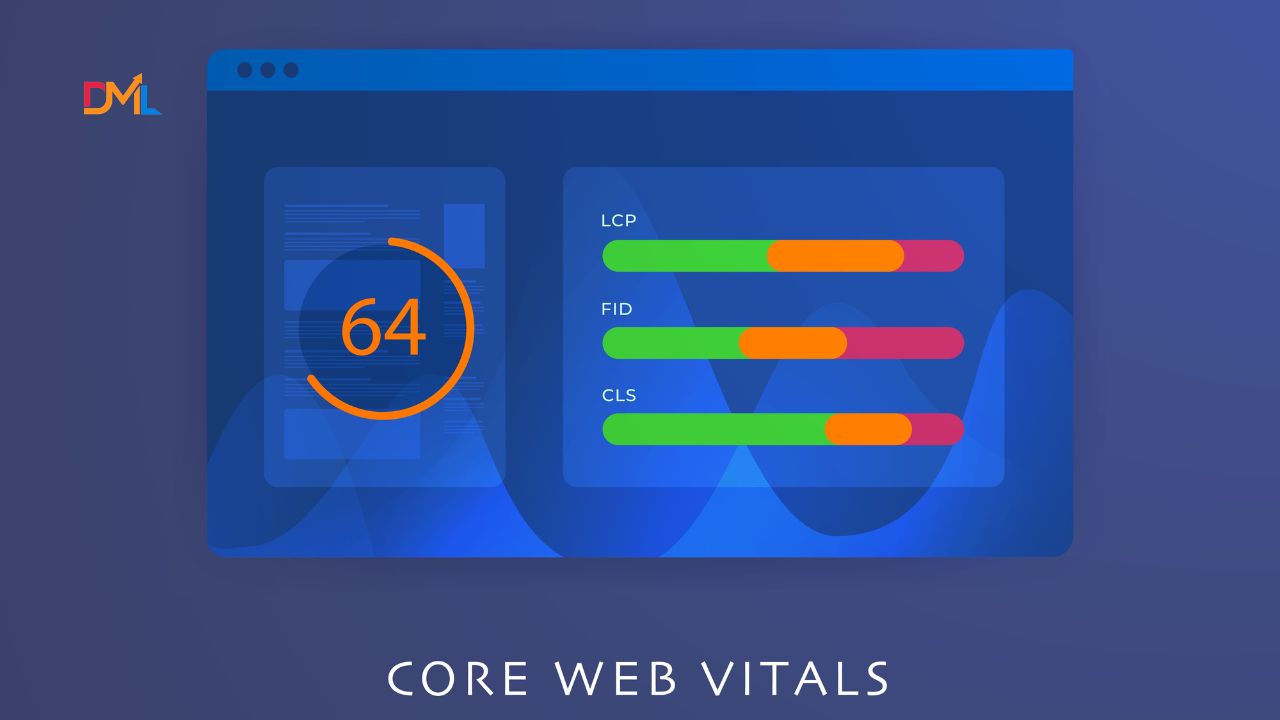
Core Web Vitals (CWV) are an essential factor in how search engines evaluate the quality of a page on your website today. They are not an individual ranking factor, but they influence which page shows up on the SERP (search engine result pages).
Today, website performance optimization goes beyond just optimizing loading speed. It also directly influences user experience and search engine ranking. If your website loads slowly or feels difficult to navigate, it can increase the bounce rates.
The impact of Core Web Vitals no longer is limited to search engine rankings. Search engines like Google now combine AI-driven signals with these metrics to enhance user engagement. Let’s discuss it below.

How Agentic AI is Changing Work?
This is why Agentic AI the Future of Work has become a key topic for modern businesses. Instead of simply following fixed instructions, agentic systems can support teams by handling repetitive workflows, improving decision-making, and responding to changing business needs with less manual input. For companies focused on productivity and scalable operations, this shift shows how AI is moving from basic automation toward more independent, goal-driven workplace support.
Understanding Google Core Web Vitals: What is it?
Google Core Web Vitals are three metrics that are scaled and measured to assess the actual user experience on your page. These include:
- LCP (Largest Contentful Paint): It tells you how long it takes before the most important thing visually appears on your page.
- INP (Interaction to Next Paint): It measures the responsiveness of your site to taps or clicks.
- CLS (Cumulative Layout Shift): It checks whether elements move unexpectedly while the page is still loading.
As of early 2026, data from Web Almanac indicates that only 56% of websites pass all three CWV metrics. This leaves almost half of the web below these levels, which is a huge opportunity for optimizing your site. Providing a seamless, easy-to-use experience when your competitors are not will put your business at a clear and substantial edge.
Why Core Web Vitals matter for SEO and how to optimize it?
In 2021, Google made Core Web Vitals a ranking signal and the popularity has steadily increased since then. Websites that comply with the recommended thresholds for all three metrics will have a better chance of doing well in search results.
Core Web Vitals for SEO is not about chasing a score, but about giving Google clear, data-backed evidence that your pages deserve to rank.
How CWV directly influences search rankings?
- Google ranks website pages based on real-world user data rather than speed tests run on an ultra-fast internet connection.
- Search Console categorizes similar URLs and evaluates them based on the weakest Core Web Vitals metric in the group. One slow template or shared script can pull hundreds of URLs below the threshold at once.
- When two pages are otherwise equal in content quality, the one with the stronger Core Web Vitals scores is more likely to rank higher.
- AI search visibility: Poor CWV scores also reduce your chances of appearing in Google AI Overviews and other AI-powered search results. These systems increasingly prioritize overall page experience and usability signals, making site performance an important consideration for visibility. Thus, a site that feels slow or broken is less likely to be surfaced as a reliable source.
How to optimize CWV for SEO?
Core Web Vitals optimization for search does not require a full rebuild. Start with the highest-impact fixes:
- LCP: Optimize hero elements with modern image formats like AVIF, avoid lazy loading of the LCP element, and reduce server response time with faster hosting.
- INP: Break up JavaScript long tasks (over 50ms) using asynchronous execution patterns, and defer non-essential scripts that block user interactions.
- CLS: Set explicit dimensions on images and videos, reserve space for ads before content loads, and avoid inserting dynamic content above existing page elements.
Website speed optimization isn’t a one-time project. Every new script, plugin, or third-party integration can quietly introduce regressions over time. Conducting structured SEO audits allows businesses to identify issues related to rendering delays, crawlability, script bloat, and mobile usability before they start impacting engagement or rankings.
Before making changes, run a quick Core Web Vitals Check to understand which metric is holding your page back. You can use this Core Web Vitals Checker to review LCP, INP, and CLS performance for any URL and identify where optimization should begin. This helps you avoid guesswork and prioritize fixes based on real performance signals, whether the issue is slow loading, delayed interaction, or layout instability.
Why Core Web Vitals matter for user engagement and how to optimize it?
Search rankings help users find your website, and CWV determines whether they stay and engage.
About 53% of people abandon a site if it takes more than three seconds to load (Source: Google). And when users leave fast, Google notices, which can negatively affect overall site performance and engagement metrics.
How CWV shapes engagement behavior
- Various studies show that a 2- to 5-second increase in page load time increases bounce rates by 38%.
- A one-second delay on B2B SaaS platforms or cross-border e-commerce sites can cut conversions by up to 7% (Source: BigCommerce).
- Poor INP makes a site feel unreliable. Slow-loading buttons and delayed form responses signal that something is broken.
How to optimize CWV for user engagement?
Improving website engagement through Web Core Vitals requires a structured approach. Best practices include:
- Monitor INP on your most interactive pages: forms, calculators, demo pages, and navigation-heavy layouts.
- Use session recordings and heatmaps alongside CWV data to pinpoint where performance friction causes drop-offs.
- Prioritize mobile experiences, as over 60% of web traffic comes from mobile devices, and Google also prioritizes mobile-first indexing when ranking pages in search results.
- Track session duration and pages per session in GA4 alongside your CWV scores. Improvements in performance should reflect in both metrics.
Beyond rankings alone, strong Core Web Vitals performance creates a more predictable and frictionless user journey across devices and connection conditions. This consistency becomes increasingly important as search engines continue to prioritize real-world user experience signals in modern search visibility.
Closing note
The impact of Core Web Vitals affects both where your site ranks and how users behave once they arrive at your site.
Slow pages lose visitors, unstable layouts lose trust, and unresponsive interactions lose conversions. And all that leads to weaker organic reach on the SERP. Google Core Web Vitals are fully measurable and transparent. If your site is still among those failing all three thresholds, that gap is showing up in your traffic, engagement, and conversions right now.
Start with Google Search Console (GSC), fix LCP first, and then treat improving website engagement through performance as an ongoing discipline rather than a one-time task.
References:
- https://www.statista.com/chart/35951/share-of-mobile-device-website-traffic-worldwide-since-2010/
- https://www.bigcommerce.com/glossary/page-load/
- https://support.google.com/adsense/answer/7450973?hl=en